Key Takeaways:
- LinkedIn is one of the best platforms for businesses to showcase their products, build credibility, and attract potential customers.
- A complete and optimized profile creates a strong first impression and helps people trust your business.
- Know your target audience before creating content. The right message attracts the right customers.
- Consistency matters more than frequency. Regular, valuable content helps grow your reach and brand authority.
- Track your performance and refine your strategy based on what your audience engages with most.
LinkedIn is different from other social media platforms. This s specifically is built for professionals.
According to LinkedIn, more than 660 million professionals are on the platform, making it one of the largest professional networks where you can connect with people from almost every industry.
Think of LinkedIn as your digital identity, where you can create a free profile to showcase your profession, designation, and what you offer. In fact, it gives businesses of all sizes the opportunity to establish credibility, build trust, and attract potential clients.
Although LinkedIn is free to use, it also offers premium plans that unlock advanced features for professionals and businesses looking to grow faster.
Whether you’re new to LinkedIn or already have an account but aren’t using it effectively, this guide shares practical, data-backed tips to help you turn an ordinary profile into a professional one.
By applying these tips, you can generate quality leads, build brand awareness, expand your professional network, and create valuable business partnerships.
Let’s Get Started!
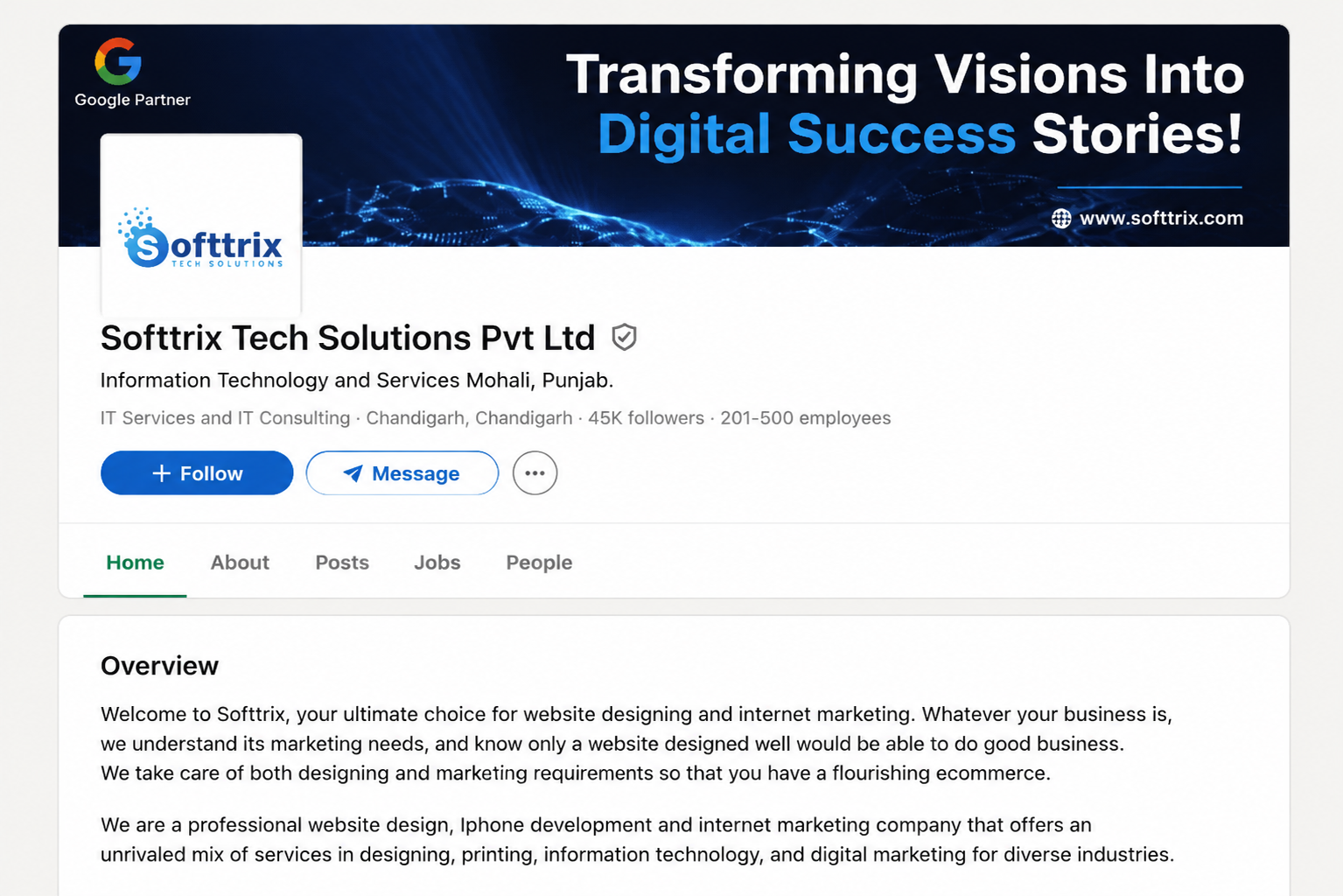
Table of Contents:
- How to Use LinkedIn Effectively for Personal Branding and Business
- 1. LinkedIn Profile
- 2. About Section
- 3. Create your LinkedIn page
- 4. Define Your Audience and Goals
- 5. Grow Your Page Followers
- 6. Publish Engaging Content on Your Company Page
- 7. Use LinkedIn Analytics to Learn What Works
- 8. Try LinkedIn Ads for Faster Results
- 9. Don't Just Sell, Build Trust
- Your Posts Aren't Getting Impressions or Likes?
- Final Thought!
How to Use LinkedIn Effectively for Personal Branding and Business
Below are some practical tips to help you build a professional LinkedIn profile that stands out and attracts the right audience.
1. LinkedIn Profile
Use a Professional Profile Picture
Your profile picture is one of the first things people notice. Make sure to upload a clear, high-quality photo where your face is clearly visible. Choose a picture that looks professional, as a good profile photo helps build trust before someone even reads your profile.
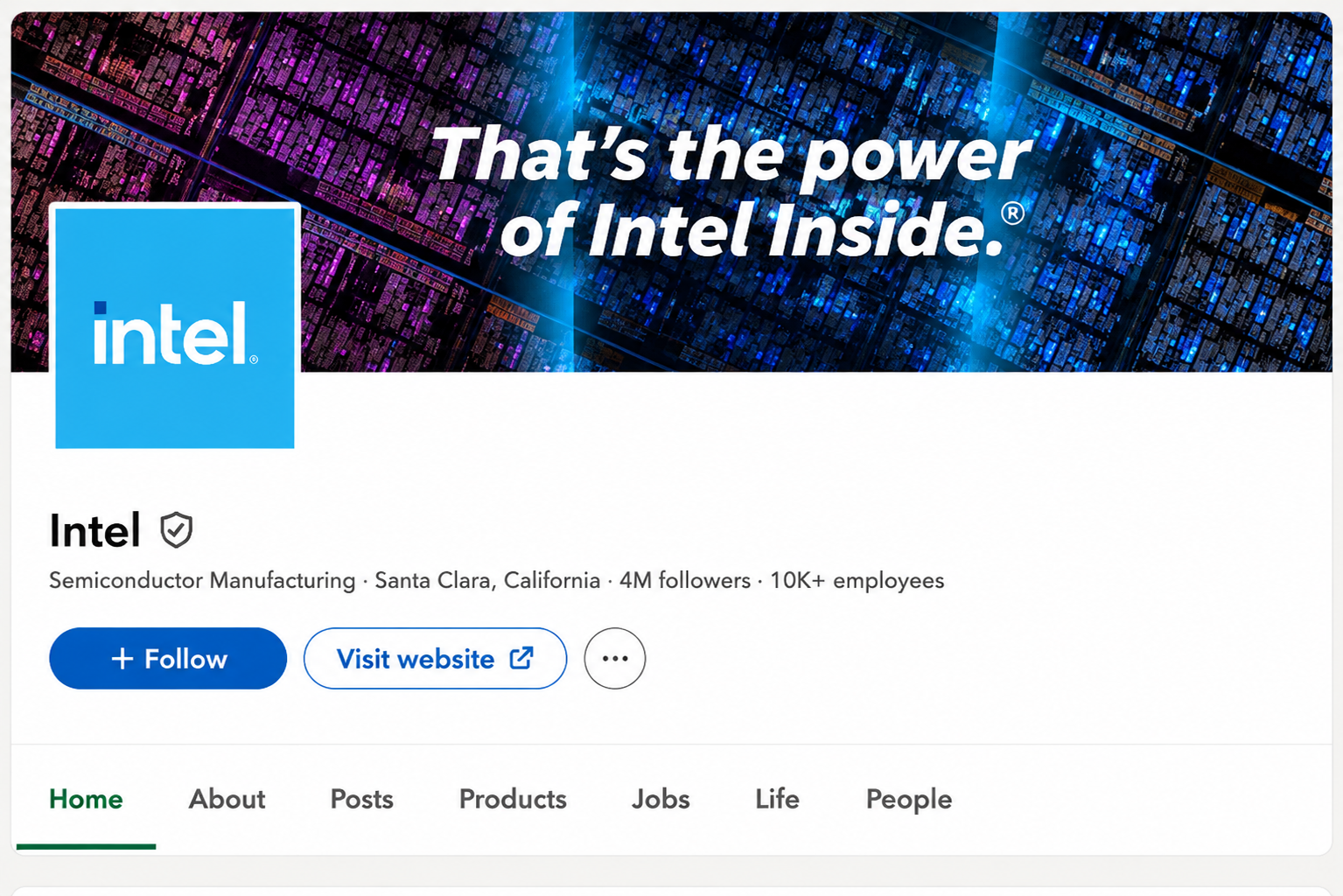
For your banner image, include your products, services, industries you serve, or a simple brand message.
Company Logo
Use a clear, high-quality logo that matches your brand.
Write a Clear Headline
Your headline appears right below your name, and it should immediately tell people who you are and what you do.
Instead of writing a generic job title, mention your expertise or the services you offer. A clear headline makes it easier for potential clients and business partners to understand how you can help them.
Verify Your Profile
LinkedIn allows you to verify your identity and display a verification badge on your profile. This shows that your identity has been verified, which can increase credibility and make people more confident when connecting with you.
Customize Your LinkedIn URL
Don’t leave your LinkedIn URL with random letters and numbers. Customize it by using your name or your brand name whenever possible.
A clean URL looks more professional, is easier to share, and helps strengthen your personal brand.
Note
Aim to keep your LinkedIn profile as complete as possible. Don’t optimize it just once; update it regularly with your latest skills, achievements, certifications, and work. An active profile has a better chance of reaching the right audience.
2. About Section
Bio
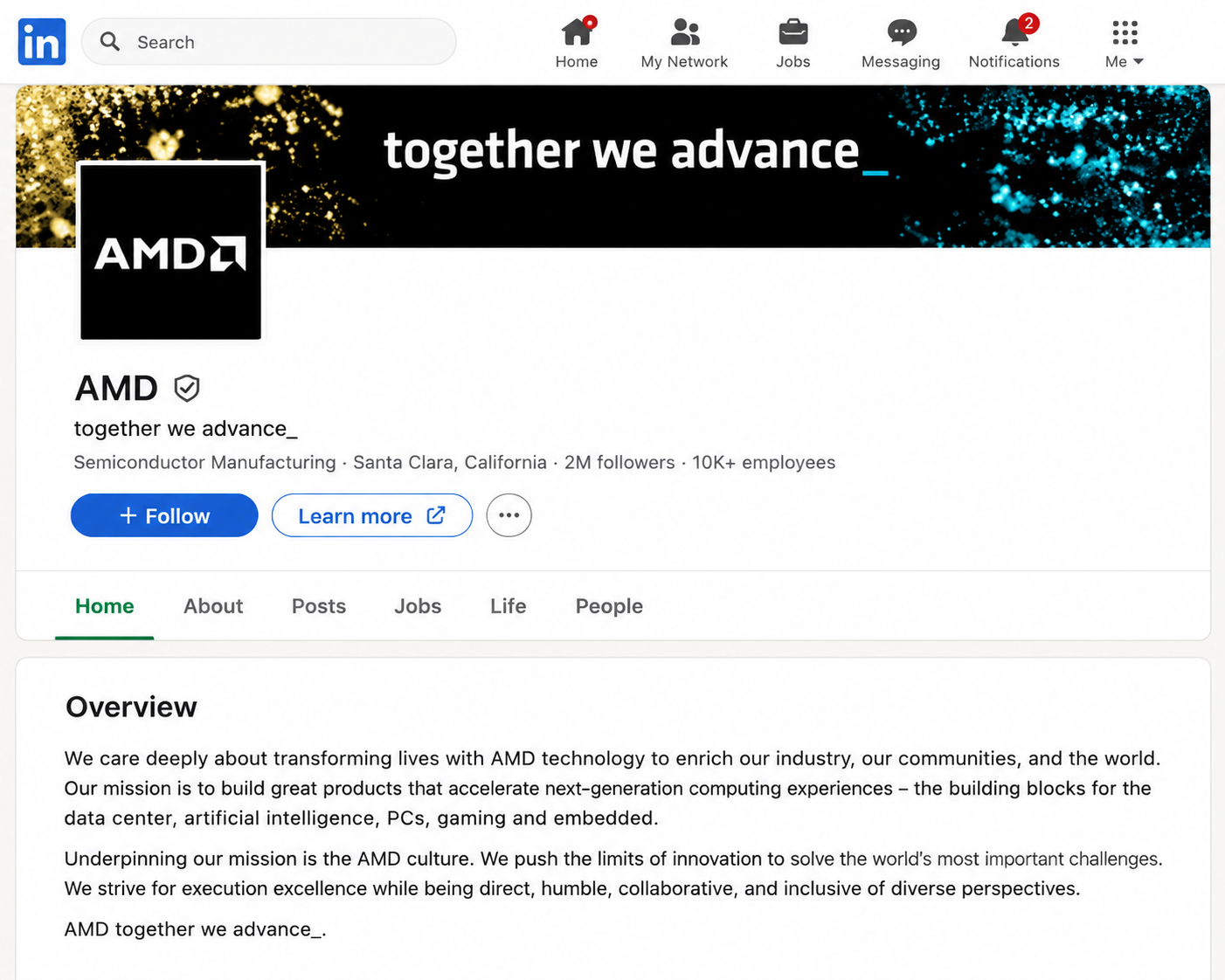
The About section is one of the most important parts of your LinkedIn profile. This is where you explain what your company does, who you help, and what makes your business valuable. How you write this section can make a big difference. Focus on the problems you solve instead of using generic marketing claims.
When someone is interested in your business, they will likely visit your profile to learn more about you. A well-written bio helps them understand your experience and decide whether you’re the right person to connect with.
For example, if you own a manufacturing company and want to attract businesses that may buy your products, your bio should clearly explain what you manufacture, who you work with, and why businesses choose you.
Products or Services
LinkedIn also gives you the option to add the services or products you offer. Don’t skip this section. List your offerings with a short explanation so visitors can quickly understand your expertise.
This allows potential customers to quickly see whether your business matches their needs.
Website & Contact Information
Add your website and business details to make it easy for prospects to reach you.
3. Create your LinkedIn page
For growing your business, a personal profile alone isn’t enough. A LinkedIn Company Page gives people the opportunity to learn more about your brand. It’s also a plus point for your employees, as they can connect their profiles with your company.
Apart from this, many people discover a business through an employee’s post or a shared article. Before contacting you, they’ll often visit your company page. If it’s incomplete or inactive, it can reduce trust and make your business look less established.
How to Optimize Your LinkedIn Page for Search
Optimization is the key to better visibility. Make sure your LinkedIn page is well optimized so it appears in search results when people look for businesses like yours.
Keep these points in mind:
- Add relevant keywords and phrases that your potential customers are searching for. You can find these keywords using SEO tools like SEMrush, Ahrefs, Google Keyword Planner, or similar tools. Include them naturally in your About section and page overview.
- Linking still plays an important role in improving your online presence. If you have a website, link it to your LinkedIn Company Page.
- Make sure your employees' LinkedIn profiles are up to date and connected to your company page.
- Share content consistently on LinkedIn. Over time, this helps increase engagement, grow your followers, and improve your visibility in LinkedIn search results.
Keep Your Page Active
Creating a page isn’t enough. Keep it updated by sharing content that provides value to your audience, such as:
Product launches
Customer success stories
Industry insights
Company updates
Trade shows and events
Behind-the-scenes content
A complete and active LinkedIn Company Page builds credibility, strengthens your brand, and gives potential customers confidence before they contact your business.
4. Define Your Audience and Goals
Before you start posting on LinkedIn, be clear about who you want to reach and what you want to achieve. Many businesses publish content regularly but see little engagement because they’re speaking to everyone instead of the right audience.
Start by identifying your ideal audience. Ask yourself:
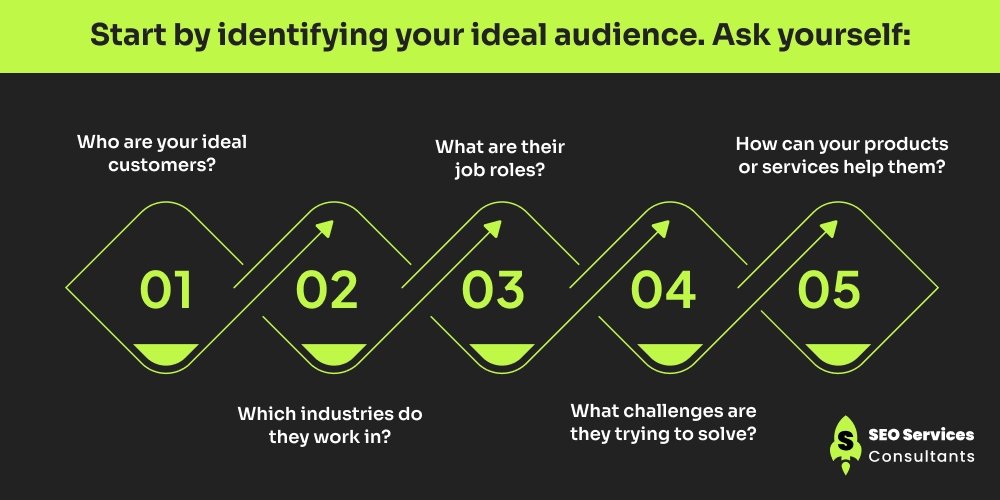
- Who are your ideal customers?
- Which industries do they work in?
- What are their job roles?
- What challenges are they trying to solve?
- How can your products or services help them?
Once you know your audience, define your goal. Your LinkedIn strategy will look different depending on what you want to achieve.
Your goal could be to:
- Generate qualified leads
- Increase brand awareness
- Drive traffic to your website
- Build industry authority
- Recruit top talent
- Grow your professional network
For example, if you own a software company targeting healthcare providers, your content should focus on healthcare challenges, industry trends, and how your software solves those problems. Posting unrelated content is unlikely to attract the audience you’re trying to reach.
Knowing your audience and having a clear goal helps you create content that attracts the right people and supports your business objectives, rather than simply posting to stay active.
5. Grow Your Page Followers
Growing your followers isn’t about chasing numbers. It’s about building a community of people who are genuinely interested in your business.
Invite your employees, customers, partners, and existing connections to follow your page. Promote your LinkedIn page through your website, email signature, newsletters, and other social media channels.
Most importantly, publish content people want to engage with. When your posts receive likes, comments, and shares, LinkedIn is more likely to show them to a wider audience, helping your page grow organically.
Focus on attracting the right followers, not just more followers. A smaller audience of potential customers is far more valuable than thousands of inactive connections.
6. Publish Engaging Content on Your Company Page
Your LinkedIn Company Page shouldn’t only promote your products. If every post is about selling, people will eventually stop paying attention.
Share content that helps, educates, or starts conversations. This could include industry insights, customer success stories, product updates, behind-the-scenes moments, expert tips, or answers to common customer questions.
Stay consistent with your posting schedule and focus on content your audience genuinely finds useful. The more value you provide, the more likely people are to follow your page, engage with your posts, and remember your brand when they’re ready to buy. For creative visual content, tools like Nano Banana 2 can also help you create engaging visuals that make your social media posts more appealing.
7. Use LinkedIn Analytics to Learn What Works
LinkedIn has its own analytics tool that helps you track your post performance. It shows important metrics like impressions, views, saves, shares, profile visits, and link clicks.
Simple rule to remember:
If people view but don’t save or share, your content needs to be more useful.
If people engage but don’t click your links, improve your call-to-action.
If people click but don’t convert, your offer or landing page needs work.
Every 30 days, look at your top 3 posts and your bottom 3 posts. Do more of what worked and drop what didn’t.
8. Try LinkedIn Ads for Faster Results
Organic posting takes time. If you want faster results, LinkedIn ads can help you reach the right audience quickly, especially for B2B businesses. You can target people by job title, industry, or company size, which most other platforms cannot do as precisely.
Start small. Test one simple ad with a clear offer before spending a large budget.
9. Don't Just Sell, Build Trust
The biggest mistake businesses make on LinkedIn is treating it like a billboard. Constant “Buy now” posts do not work well here.
Instead, aim for this mix:
60% helpful or educational content
25% company updates, wins, and behind-the-scenes posts
15% direct offers or promotions
This way, people see you as a trusted source first. When they are ready to buy, you are the business they remember.
Your Posts Aren't Getting Impressions or Likes?
The LinkedIn algorithm decides how far your content reaches. Even if your post is valuable, it may not perform well if it isn’t optimized for engagement.
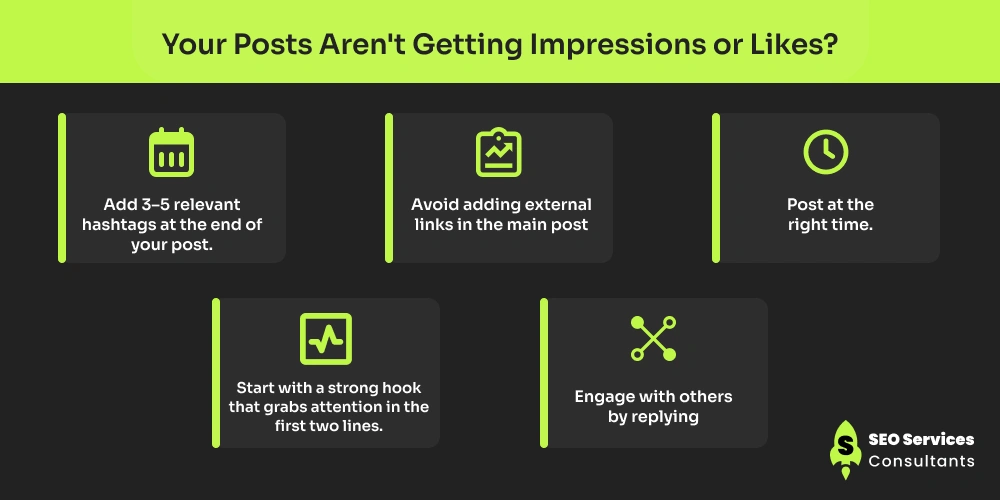
If your posts aren’t getting enough impressions or likes, try these tips:
- Add 3–5 relevant hashtags at the end of your post.
- Avoid adding external links in the main post. If needed, add them in the comments.
- Start with a strong hook that grabs attention in the first two lines.
- Post at the right time. For better engagement, publish between 12 PM and 1 PM on Tuesday, Wednesday, or Thursday.
- Engage with others by replying to comments and interacting with posts in your industry before and after publishing your own content.
These small changes can improve your post’s visibility and help it reach more people over time.
Final Thoughts
LinkedIn growth doesn’t happen overnight. You need to work consistently. The more genuine value and consistency you bring, the more trust and business you’ll earn in return. If you’re a beginner, start small. Stay consistent throughout the process and keep tracking what works. Over time, this simple approach can turn your LinkedIn presence into a real growth engine for your business.